Fast Food Chain Wastewater Discharge, Philippines
Philippines Largest Fast Food Chain Selects Supratec MicroClear® MBR to Solve Their Wastewater Discharge Issues
Challenge
The largest fast food chain in the Philippines with an estimated market capital of US$4.8 billion, owns over 1,150 stores nationwide and 3,000 stores globally. A dominant market leader in the Philippines, this F&B company enjoys the lion’s share of the local market that is more than all the other multinational brands combined. The company has also embarked on an aggressive international expansion plan in Vietnam, Brunei, Hongkong, Singapore, Macau, Malaysia, USA, Canada, Saudi Arabia, UAE, Qatar, Kuwait, Bahrain, Oman, Italy and the United Kingdom.
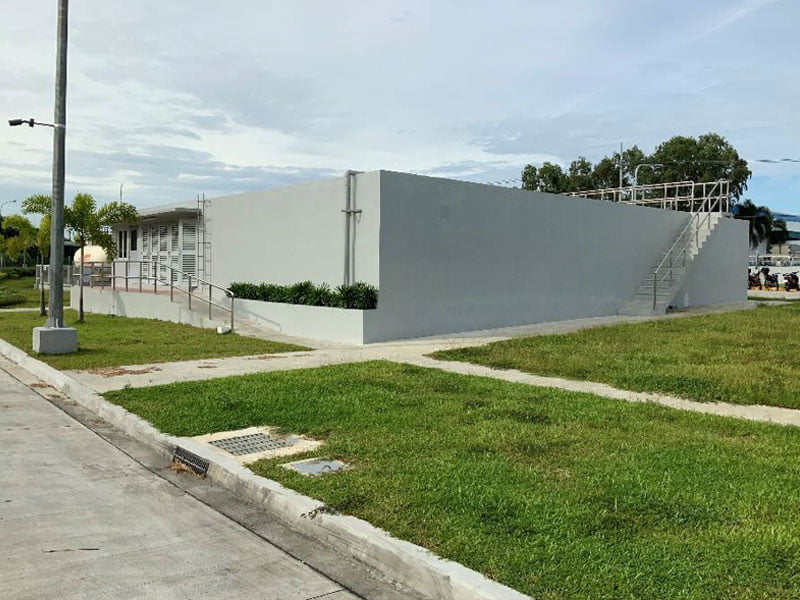
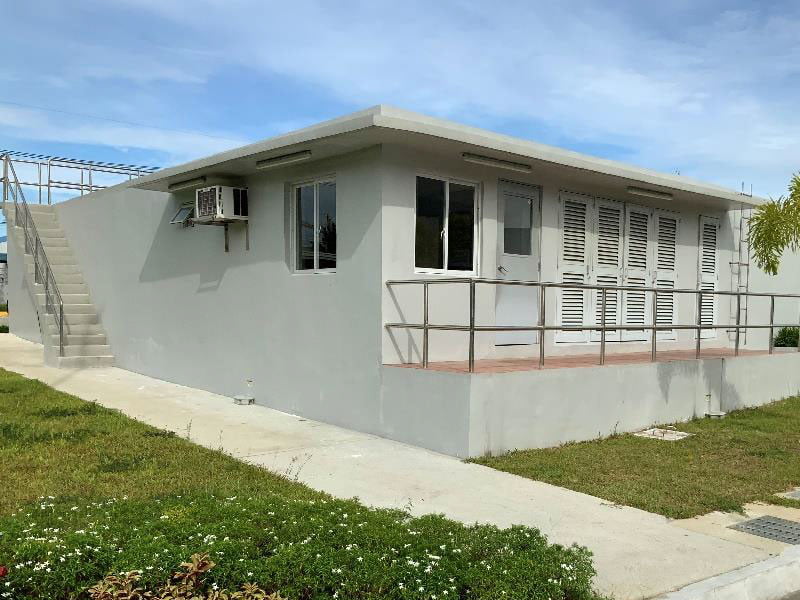
The F&B company is building two new commissaries in Laguna Industrial Park as part of their nationwide food chain expansion. Effluent from the two new commissaries need to meet the discharge loading limit set by Laguna Industrial Park Centralised Wastewater Treatment Plant or a discharge levy will be imposed. In view of this challenge, the F&B company selected MBR technology to treat their wastewater in both facilities designed to meet Philippines Department of Environment and Natural Resources (DENR) DAO-2016-08 Discharge Guidelines, thus resolving their wastewater discharge issues.
Solution
A local contractor won the competitive design build bids for both facilities, utilizing Supratec MicroClear® MBR technology. The treatment process consists of fat oil and grease (FOG) removal as a pre-treatment, followed by EQ tank, 2mm rotary fine screen, chemical coagulation for phosphorus removal, anoxic, aerobic and MBR.
Results
Supratec MicroClear® MBR has consistently met and surpassed DAO-2016-08 Discharge Guidelines after plant commissioning. Part of the MBR effluent is being reused for irrigation at the facilities. The end user is very happy and very much satisfied with the outcome of the project as not only the MBR technology helps to resolve their wastewater discharge issues; it also reduces their potable water usage by 20% as they reused the effluent for irrigation purpose.